10 Tips for Better Sleep


The good news is that many sleep difficulties can improve when you make a few changes to your daily routine and follow good sleep hygiene.
These 10 recommendations can help you sleep better.
1. Keep a regular sleep schedule
Going to bed and waking up at about the same time every day (+/- 30 minutes) helps your body settle into a healthier sleep rhythm. Try to go to bed when you actually feel tired and sleepy.
If you did not sleep well, it can be tempting to nap during the day. An occasional nap is fine, but regular daytime sleeping can make it harder to sleep well at night.
2. Create a comfortable sleep environment
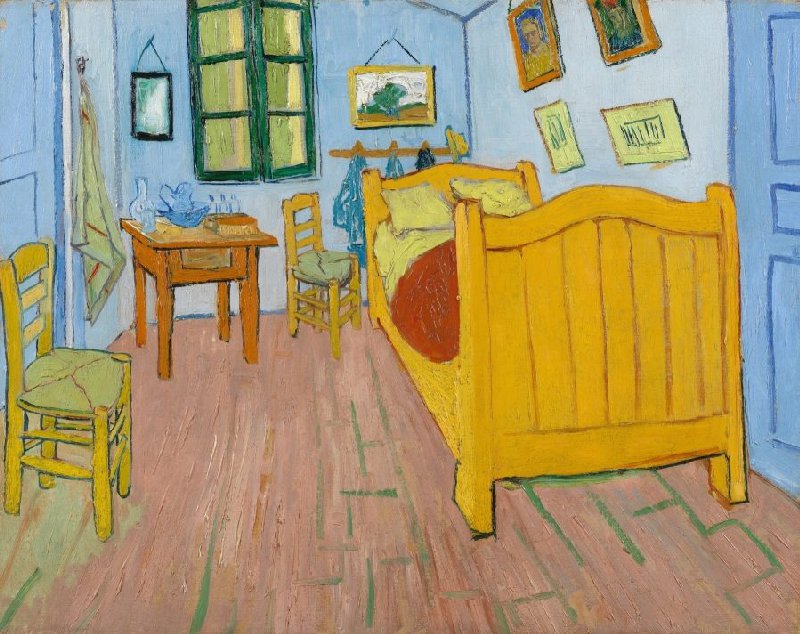
Your bedroom should feel like a calm space for sleep, sex, or masturbation. Like other forms of physical activity, sex can make us feel more sleepy.
For good sleep, the room should be as quiet and as dark as possible.
A simple way to check the darkness is this: stand by one side of the bed and look at the opposite wall. If you can clearly see it, the room is probably too bright. Blackout curtains or blinds can help. If that is not possible, for example while traveling, a sleep mask can make a real difference.
Remove or cover anything that glows in the dark. If you cannot move a device, turn it away from the bed or cover the light.
If there is noise from traffic, pets, or loud neighbors, earplugs or white noise may help.
A comfortable bedroom temperature is usually around 18-24C, though this is individual. Airing out the room before bed can help it feel cooler and fresher.
3. Make sure your bed feels comfortable
It is hard to sleep well if your mattress is too soft or too firm, or if the bed itself is too small or worn out. Your pillow, blanket, and sheets should feel comfortable against your body, not leave you with tension, back pain, or a sore neck.
4. Get enough activity during the day
Both mental and physical activity help your body feel naturally ready for rest. Gentle movement such as a walk or a swim can also release some of the tension that has built up during the day.
5. Cut down on caffeine
Try not to have tea, coffee, energy drinks, or dark chocolate after lunch. Caffeine can make it harder to fall asleep and can reduce the depth of your sleep. You might try herbal tea or warm milk instead.
6. Avoid alcohol before bed and try not to overeat
Too much food or alcohol, especially late in the evening, can worsen sleep quality. Alcohol may make you feel sleepy at first, but it tends to disrupt sleep later in the night. It is best to have dinner at least 3 hours before bed and avoid alcohol for at least 5 hours before bedtime.
7. Limit smoking

Nicotine is a stimulant. People who smoke often take longer to fall asleep, wake up more often during the night, and have lighter, more disrupted sleep.
8. Make relaxation part of your evening
Many of us do not pay much attention to how relaxed we feel before bed. We switch off the TV or put down the phone, brush our teeth, take a shower, and expect sleep to come on its own. But relaxing for 30-60 minutes before bed is an important part of preparing your body and mind for sleep.
Here are a few ways to do that:
-
A warm bath (not a hot one) can help your body reach a more sleep-friendly temperature.
-
Making a plan for the next day can help settle racing thoughts. You may also want to keep a journal where you write down emotions, thoughts, body sensations, or anything that feels unfinished.
-
Relaxation practices such as yoga nidra or other calming audio recordings can help your nervous system slow down.
-
Muscle relaxation exercises, such as Jacobson relaxation or gentle stretching, can ease physical tension.
-
Reading a paper book or listening to the radio can help your mind shift out of problem-solving mode.
-
Avoid smartphones, tablets, and other electronic devices for at least an hour before bed. Blue light from screens can reduce melatonin production, which makes it harder for your body to prepare for sleep. If possible, keep the lights dim during your whole bedtime routine.
Anything that helps you feel calmer and softer inside can make it easier to fall asleep and stay asleep.
9. If you cannot sleep, get up
Try not to stay in bed worrying that you are still awake. Get up and do something quiet and relaxing until you start to feel sleepy again.
10. Keep a sleep diary
Write down when you go to bed, when you wake up, how you slept, and what you were doing before and after sleep. A sleep diary can help you notice what supports your rest and what gets in the way.
If insomnia lasts for more than 4 weeks, contact your family doctor.
💡 Find out more about whether you can handle sleep difficulties on your own or if you need to speak with a professional in the arcticle Difficulties with Sleep: Should I See a Doctor or Will It Go Away?
Wishing you restful sleep :)
Recommendations from nhs.uk and sleepstation.org.uk.